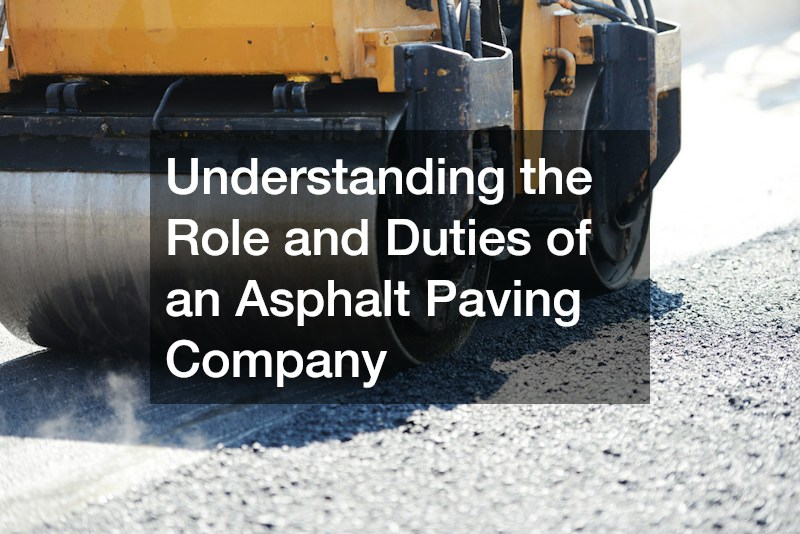
Asphalt is an integral material in modern infrastructure, with its use extending from creating roads and highways to residential driveways and commercial parking lots. An asphalt paving company plays a critical role in the construction and maintenance of these surfaces, ensuring that they are durable, safe, and aesthetically pleasing. By understanding the roles and duties of an asphalt paving company, we can better appreciate their contribution to our built environment.
Comprehensive Services Offered by Paving Companies
A professional paving company offers a range of services designed to meet the diverse needs of its clients. These services include residential paving, where the focus is on the construction and repair of driveways and walkways in residential areas. The paving company must carefully assess each site for drainage and compaction needs, ensuring long-lasting and robust surfaces for homeowners.
In the commercial sector, paving companies are tasked with constructing and maintaining large parking lots, access roads, and industrial surfaces. With commercial paving, the emphasis is often on handling high traffic volumes and ensuring the surface can withstand heavy loads. Here, the paving company becomes an essential partner in managing logistical concerns related to the planning and execution of such projects.
Maintenance and repair also form a critical part of a paving company’s duties. Over time, asphalt surfaces can degrade due to weather conditions, heavy use, and poor initial construction. Regular maintenance such as seal coating, crack filling, and pothole repair ensures that these surfaces remain functional and safe, reducing long-term costs for property owners.
Ensuring Quality and Standards
A paving company’s commitment to quality begins with the selection of premium materials. The quality of asphalt, binding agents, and aggregates used in the paving process directly affects the durability and appearance of the paving project. Therefore, a reliable paving company will source materials from reputable suppliers, adhering to industry standards to produce optimal results.
The expertise of the workforce is another critical factor in determining the success of asphalt paving projects. Skilled workers are essential for correctly operating machinery, preparing surfaces, and applying asphalt in a manner that ensures proper drainage and uniform compaction. The paving company reinforces this by providing continuous training and adhering to best practices in safety and construction techniques.
Technology plays a pivotal role in enhancing the efficiency and quality of paving projects. Companies equipped with advanced machinery, such as pavers and rollers, ensure faster project completion with precision and minimal waste. As such, the paving company remains at the forefront of integrating technological advancements to maintain its competitive edge in the industry.
The Paving Process: From Planning to Completion
The asphalt paving process begins with an initial consultation between the paving company and the client. During this phase, the company assesses the project requirements, evaluates the site and terrain, and develops a tailored plan that aligns with the client’s vision and budget. This planning stage is crucial to ensure that all potential challenges are identified and mitigated from the outset.
Site preparation follows, where the paving company prepares the ground by clearing debris, compacting the soil, and establishing a suitable foundation for asphalt application. This stage often involves excavation and leveling of the site, ensuring adequate drainage systems are in place to prevent future water damage.
Once the site is prepared, the paving and surfacing stage begins. Asphalt is applied and spread evenly across the surface, followed by compacting it with heavy rollers to achieve desired density and smoothness. Following the paving process, the asphalt is left to cure and set, allowing it to develop the strength needed to withstand traffic and environmental conditions.
Cost Factors in Asphalt Paving Projects
The cost of a paving project can vary significantly depending on several factors. Project size is an obvious determinant, with larger areas generally incurring higher costs due to increased material and labor requirements. Additionally, the complexity of the project site, accessibility challenges, and necessary groundwork can influence the final cost estimates provided by the paving company.
Material costs also play a crucial role in determining the budget for asphalt paving projects. Prices for raw materials like asphalt, aggregate, and binding agents can fluctuate based on market conditions and regional availability. As such, clients and paving companies must discuss these potential variances during the planning stages to avoid budget overruns.
Labor costs associated with skilled personnel and the deployment of specialized machinery also contribute to the overall cost. The paving company’s experience and expertise can often affect the duration and execution of the project, impacting labor efficiency and thus cost-effectiveness. Clients usually benefit from working with established companies that have streamlined processes to optimize resource use and minimize project delays.
A paving company is a vital component of the infrastructure development landscape. Their comprehensive service offerings—from residential and commercial paving to repair and maintenance—are essential in supporting safe and efficient transportation networks. The integration of quality materials, skilled labor, and modern technology ensures the longevity and performance of asphalt surfaces, showcasing the indispensable role of paving companies in modern construction.